


Labs of Contextualized Urban Social Work
How to do community meetings; a social work perspective
Reflective questions
- How do power dynamics influence who is seen as a “community expert”?
- What barriers might residents face in participating in these meetings?
Tips
- Use the same timeline each semester
-
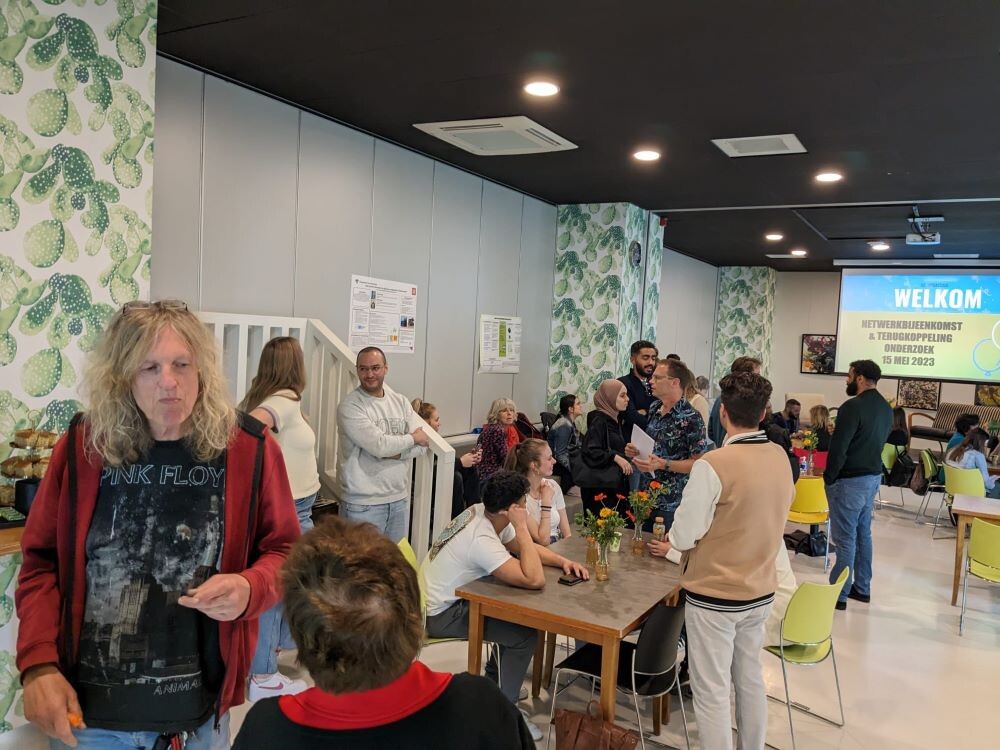
Community meeting 1: before students start with their research.
-
Sudents hold their surveys and in depth interviews, along with FWP
-
Community meeting 2: students give the results back to the community and citizens draw conclusions on further research
-
Connect with existing community networks
To ensure students are a valuable addition to the neighborhood, make sure you align with existing structures and networks through your local field partner or municipality. This way you can continue building on challenges that really matter in your city.
To illustrate how crucial it is to include your local field partner before you plan your project, please read the story of our Amsterdam field partner Eigenwijks:
'we have been working in this neighborhood for 65 years and have a big network of citizens and local partners. Because of this, we could tap into an exissting network of residents who are knowledgable on the subject of health. These residents were excited about getting involved with students and this led to a great collaboration'. (Gina, Eigenwijks)
Exercise
With the following exercise we would like to make you think about your local stakeholders and who could be your gatekeepers to local residents.
Task: With your team, map out potential stakeholders in a neighborhood you're familiar with (or a provided case study). Identify who could act as ambassadors for the subject(s) you want to study. Find out what local groups already meet and which communication channels might be effective.
Use this map to make your first steps in connecting the residents to the idea of participating in the initial community meeting.
Partners


