Labs of Contextualized Urban Social Work
Tallinna Ülikool
In Tallinn, the university does not directly work together with a field partner. Instead they host and create the activities of LOCUS through the University and try to engage with local stakeholders to share the message and goals of the LOCUS Project
The project neighbourhood
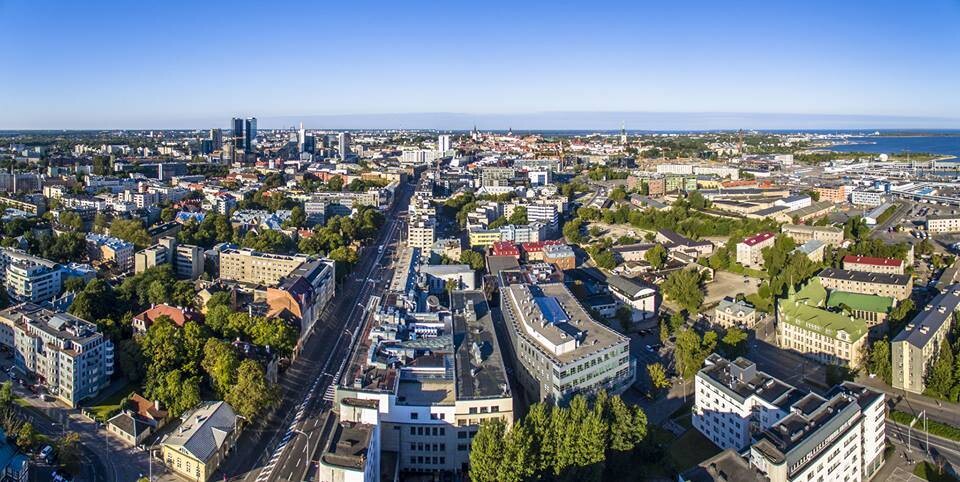
Students do their research in Põhja-Tallinn. Põhja-Tallinn is one of the eight administrative districts of Tallinn, rich in history and diversity, offering a unique blend of cultural heritage and modern development. Over the past twenty years, the population of the district has steadily increased, with approximately 60,000 people now residing in the area. Historically, this area has been a melting pot of industrial activity, maritime trade, and working-class communities, which has shaped its distinct character and socio-demographic profile. Here are some interesting highlights about the neighbourhood:
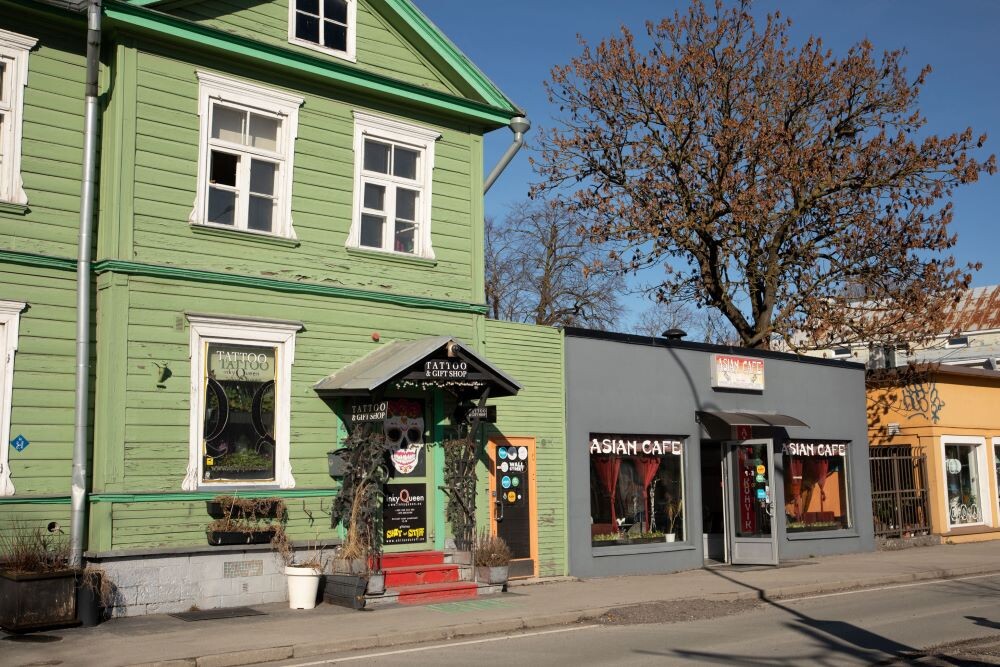
Põhja-Tallinn is known for its unique mix of old wooden architecture and industrial heritage, particularly in the Kalamaja area, which nowadays has become synonymous with bohemian life-style, trendy cafes, studios, and cultural events, preserving the charm of the past while embracing modern urban culture.
Student activities
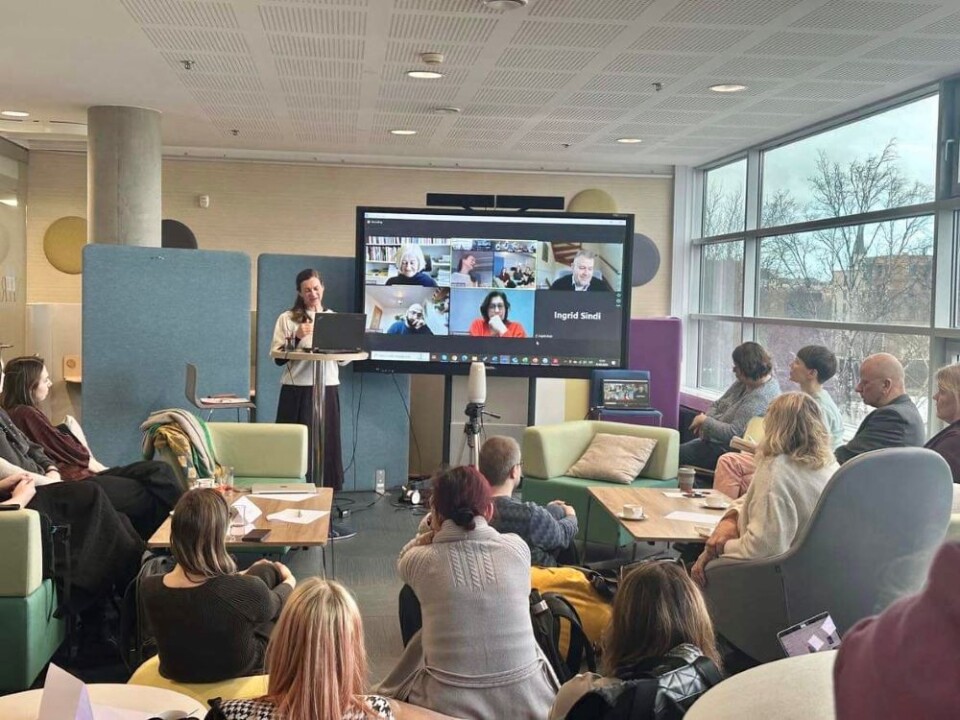
The TLU team encourage students to go into the neighborhood to gather qualitative and quantitative data. At the end of the course the students present their findings to the citizens and to social workers active in the region.
In addition to this the students make pictures, videos, and mood notes during their field work. The mood notes can help them organize their emotions before, during and after conducting the surveys.